
The English Aristocracy, Explained
The nobility, the gentry, and the history behind it all

Another long one this time, so I’d once again recommend reading in the Substack app or webpage.
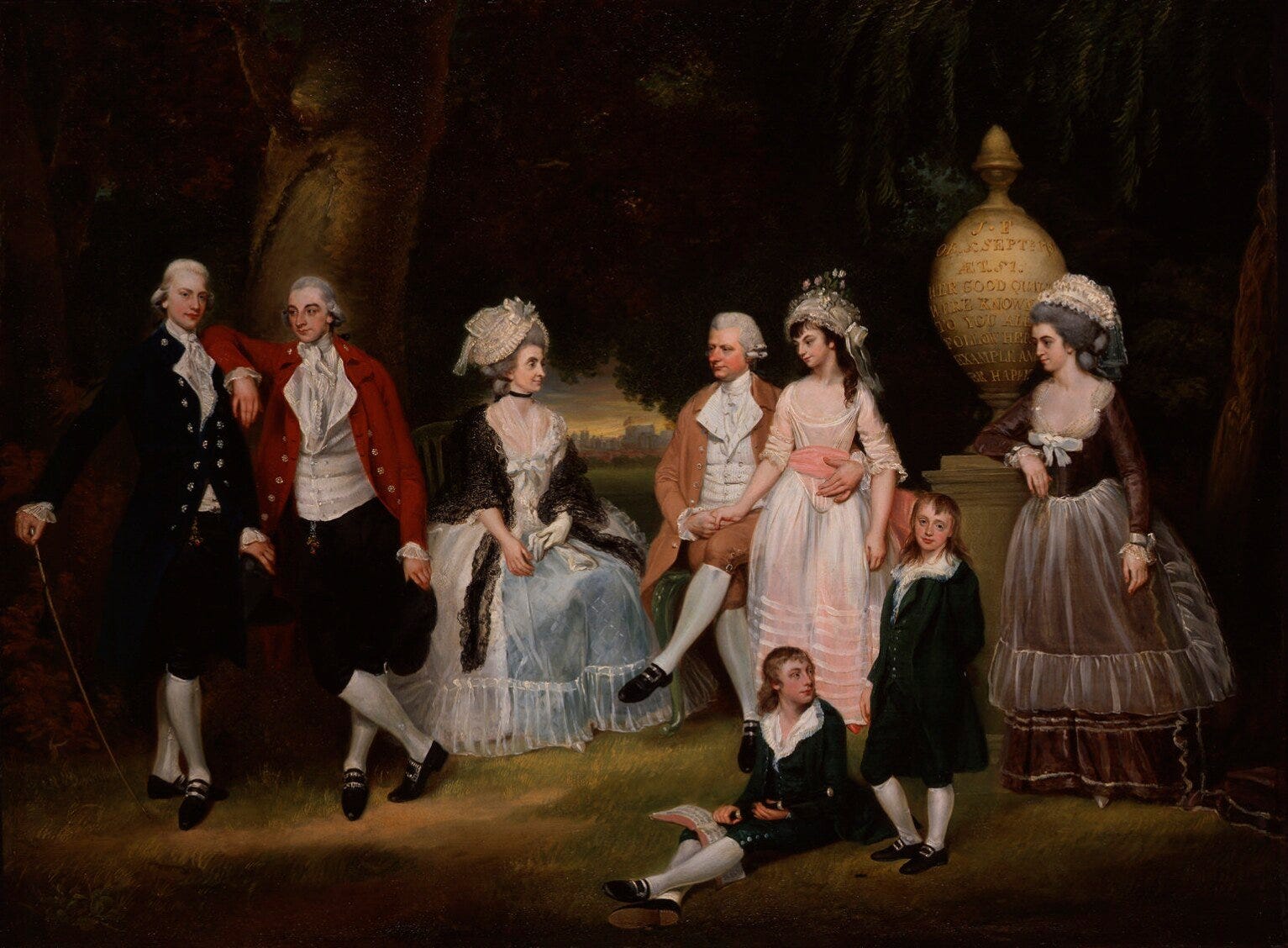
I’m both a reader and writer of fantasy fiction, and fantasy is full of nobility. As is, of course, real history and historical fiction. But what actually is the nobility? What are all these titles? Where did they come from and what do they mean? Today, I hope to explain all that for a lay audience to aid both readers and writers.
My focus will particularly be on the aristocracy of the early modern period, and in particular after the decline of feudalism in England in the 17th century, but in doing so I’ll also explain how the aristocracy came into being and thereby what they looked like before this period. I won’t be touching the Scottish aristocracy with a ten-foot pole, as they’re a whole different kettle of fish (in particular thanks to the clan system), nor the continental European aristocracy, except by comparison. Just be aware that England has a particular system that was in many ways quite different from those around it: systems that I know far less well than the English one. (Though most of this is applicable to the Irish peerage system, because that system was basically just copied over after the English conquest(s).)
This is a long one and is intended to be a general resource that you might refer back to when, for example, trying to work out how someone should be addressed. Feel more than welcome to read it in stages. To aid comprehensibility, I’ll be using some well known fictional examples: the novels of Jane Austen, and the TV shows Downton Abbey and Bridgerton.
What is the Aristocracy?
There are a few terms that get thrown around here: aristocracy, nobility, peerage, gentry, upper-class. These are all related but largely distinct.
In England, the nobility refers only to those who hold titles of peerage — barons, viscounts, earls, marquesses, and dukes — making the terms nobility and peerage one and the same. This means that the nobility is only a few hundred people at any given time; a very different system to continental Europe where nobility was a legal status hereditarily passed down to all children of existing nobles. In Poland, for example, the nobility referred to something like 5% of the entire population by the early modern period. In France, somewhere in the range of 0.5-2% on the eve of the French Revolution. In these systems, the country was neatly and legally divided into common and noble, where the nobility corresponded to the entire upper-class.1
Not so in England. Families that included nobility could be called aristocratic, but that was merely a social distinction. And the vast majority of the upper-class were not not even from aristocratic families, but instead were what was called gentry. (Those of gentle birth.) Once again, this was not a formal legal distinction but instead a social one. Gentry families were merely those who had long been considered gentry. They were, most importantly, those that owned large enough estates to be able to live off of them, meaning that they made their money from rent rather than from work. They married into other gentry families. They attended high society events. They followed strict rules of social behaviour.
To be part of the gentry, then, was to be accepted as such by the rest of the gentry, thanks to meeting those economic and social criteria. It was a system that allowed some fluidity, therefore. A family that fell on hard times might still be considered gentry for a couple of generations, but if they sold their land and abandoned all the trappings of their class, they would soon lose their status. On the other hand, a successful family who bought more land and began marrying into their local gentry neighbours would soon been considered part of the pack.
Again, this is in marked contrast to other systems, under which most of the equivalent to this gentry class held the formal legal distinction of nobility. Under those systems, a commoner could become a noble, but a noble could never become a commoner. In England, the gentry were commoners and the only legal distinction between them and the non-gentry commoners was the fact that many gentry families were armigerous. That is, that they had the right to use a family coat-of-arms as regulated by the College of Arms. This right often confirmed an established family’s gentry status, though families without this right could still be considered gentry.
The English approach also created a system whereby certain branches of a family might be marginal gentry, others more established gentry, while others weren’t gentry at all, and where this marginal gentry often intermarried with the middle class, who sometimes made more wealth from their professions than the marginal gentry did from their land-rents. We see this all the time in Jane Austen’s work, as she wrote mostly about that marginal gentry to which she herself belonged.
The Bennets, for example, are just about clinging onto the trappings of the gentry. Mrs Bennet’s family, however — the Gardiners — are not gentry, but instead tradesmen. Mrs Bennet, we are told, was married to Mr Bennet with a dowry of £5,000 and later inherited a further £4,000 from her father’s death, compared to the £2,000 per year income of Mr Bennet’s estate. In other words, Mrs Bennet was able to bring to the marriage as much as the estate makes in a decade. Nonetheless, this connection is a source of embarrassment for Lizzy when she introduces her middle-class aunt and uncle to Mr Darcy, who is himself a member of the very upper rungs of the gentry, possessing more wealth than many nobles, and with descent from actual nobility. (His maternal grandfather was an earl, which is why his aunt is called Lady Catherine de Bourgh — don’t worry, I’ll explain why later.)
So, there’s the very small number of people with titles who are called nobility/peerage. There’s their families who can be called aristocratic. And there’s the much wider group called the gentry. All of this combined, we can call the upper-class.
Where Did This All Come From?
The origins of the English aristocracy go back to the Norman Conquest, though this system itself was built partially on top of the old Anglo-Saxon system.
The Anglo-Saxons used the term thegn (thane) to refer to the men who made up the military-aristocratic class. They were important landowners who, along with Church leaders, made up the Witan: a council that advised the king and confirmed his succession.
Administratively, Anglo-Saxon England was split into shires that each had their own court and local militia called a fyrd. The king appointed a particular local thegn to govern the shire on his behalf, meaning he controlled that court and fyrd and collected taxes. Ealdorman was the initial title given to these men, though under King Cnut it was changed to earl. (The modern English term ‘alderman’ for municipal officials is also derived from ealdorman.) Particularly under Cnut, given he also ruled over Denmark and Norway and had little time for England, earls were given multiple shires to govern, becoming powerful governors of large parts of the country. They delegated the administration of individual shires to shire reeves, later called sheriffs, who were also drawn from the thegn class. Appointment as earl was never formally hereditary, and yet sons frequently succeeded their fathers, given they they also inherited their fathers’ land and network of inter-familial loyalty with local thegns.
After the Norman Conquest, William I settled a number of his companions with estates in England. These men were called ‘barons of the king’ — not a title, but instead a status, meaning that they held a feudal fiefdom directly underneath the monarch. Keeping the Anglo-Saxon administrative structure partially intact, some of these baronial landowners were appointed as earls, governing shires as their Anglo-Saxon predecessors had done. Merging the Norman and Anglo-Saxon administrative systems, these shires were renamed to counties (though the two terms have been used largely interchangeably ever since), as this is what the Normans called peripheral administrative divisions of the Duchy of Normandy. And because these earls governed counties, they were seen as equivalent in rank to continental counts and their wives were called countesses.
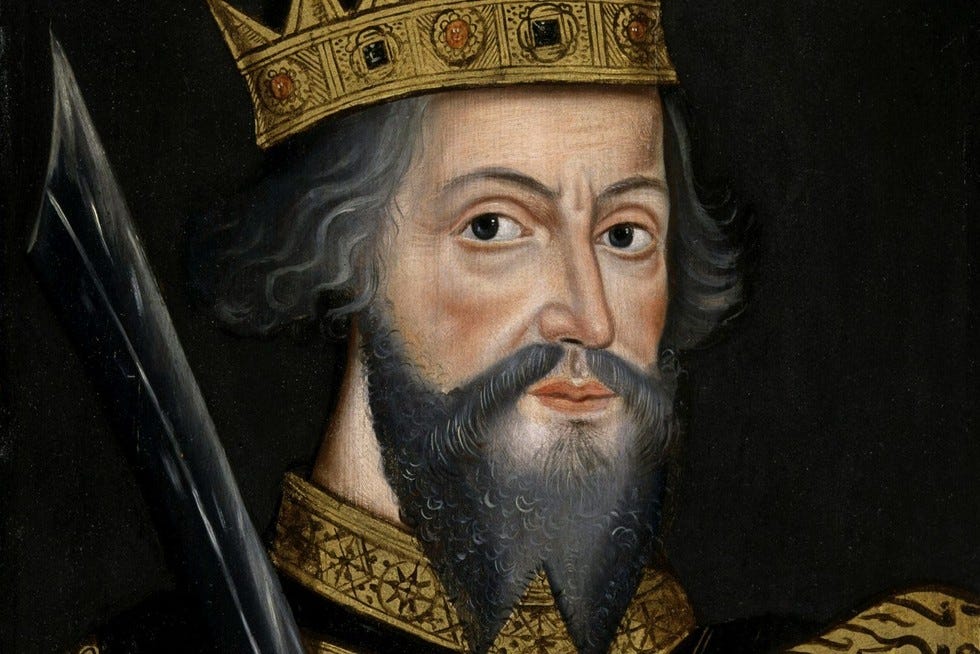
Soon, however, the kings mostly did away with earls as local governors, while at the same time the use of the term ‘earl’ as an honorific title became hereditary. These earls therefore lost their actual role in government, but were still generally the richest and most powerful of the barons. In their place, non-hereditary sheriffs would continue to administrate the various counties. The exception to this were the palatinates: areas of the country, usually at the peripheries, that were placed under the authority of an (often hereditary) governor — sometimes but not always styled as earl — who ruled with some of the powers of a king. (Or, ‘palace’ powers, hence ‘palatinate’.) Those who held feudal fiefdoms under a palatinate were also called barons, but barons of the palatinate rather than of the king.
Barons of the king had to the right to attend to the king’s councils, which over time evolved into Parliament. However, a division emerged. The greater barons would be personally called to Parliament by a writ of summons. (More on that later.) These men actually got to call themselves barons as a title, and were referred to as ‘lord’. (All the earls were part of that group.) On the other hand, lesser barons would assemble to elect two men per county to receive writs of summons and go to Parliament on their behalf. The former group evolved into the peerage/nobility and their gathering would eventually be called the House of Lords. Representatives of the latter group, having feudal baronial relationships but without the formal title of baron or lord, would eventually become the House of Commons. They themselves would evolve into the gentry.
It’s at this point I should point out that England, like most of Europe at the time, had no special title or designation for royal sons. ‘Prince’ was not yet a thing, except for the title of Prince of Wales, which had been granted to the king’s eldest son since the reign of Edward I. This title actually referenced overlordship over Wales rather than being the child of a king. The term ‘prince’ in England referred only and exclusively to the Prince of Wales — a title always and to this day given to the monarch’s eldest son — until the 18th century.
Edward III wanted to use his sons to help administrate his growing kingdom, as he continued to assert English authority over Wales and Ireland and make plays for the French crown, and to confirm their place as second only to him in the noble pecking order. So, he made his eldest son, also called Edward, the Duke of Cornwall in 1337 (which came with palatine powers over the county his dukedom was named after), on top of which he was of course also made Prince of Wales. (Edward is best known today as the Black Prince.) Edward III stole the idea of ‘dukes’ from the continent — in particular France — where they had a special status above other nobles, only half a step down from that of the king himself.
Having decided that he did a great job making his eldest son the Duke of Cornwall, King Edward III made all his other sons dukes too. Specifically, the Dukes of Clarence, Lancaster, York, and Gloucestershire, in order of descending age. Clarence was made governor of Ireland while Lancaster was given palatine powers over Lancashire, with all their dukedoms confirming their preeminence over other peers. The practice of giving royal sons dukedoms, which placed them above barons and earls, continues to this day, and most dukedoms have historically been given to royal sons. (Including to illegitimate ones. Right now there is a Duke of St. Albans — named after my home town — who is descended from the eldest of Charles II’s two sons with Nell Gwyn, a famous actress.)
As it turns out, by the way, Edward III perhaps didn’t do the best job. What he had actually done was give these royal scions large powerbases from which they could challenge royal authority. Soon, only the Lancastrian and Yorkist lines of the Plantagenet family were left standing and had what can best be described as a strong disagreement over which should hold the crown. History calls this disagreement the Wars of the Roses and, by its end, the Plantagenet family was been almost entirely destroyed, out of the ashes of which the Tudors emerged.
In the century after Edward III invented dukes, two other titles were imported from France: viscounts and marquesses. These were, like the title of earl, an additional honour below that of a dukedom but above a mere barony. Specifically, viscounts were just below earls in honour (as they emerged from the idea of being a vice-count, a deputy count who in France would help a count administer a county — basically the French equivalent of English sheriffs) while marquesses were slightly above earls in honour (because, again under the French system, they ruled a ‘march’ (borderland), making them the first line of the defence, which came with extra prestige and usually more land and autonomy).
These rounded out of the five ranks of the English peerage (baron, viscount, earl, marquess, and duke — the same five ranks, although with different names, that are common across western, central, and northern European noble systems) which, with the decline of feudalism in the 17th century, stopped being attached to feudal fiefdoms. Instead, they were mere titles of honour, which came with the added bonus of a seat in the House of Lords and some special legal protections.2 And, of course, all of them have a female equivalent for if they’re ever inherited by or granted to a woman3: baroness, viscountess, countess, marchioness, and duchess.
Some mention should also be made of baronets. Baronetcies were an even later invention of the early 17th century, are not a peerage/nobility rank, and never entitled the holder to the seat in the House of Lords. They are however hereditary, and so often get included. The best way to explain them is to say that they are hereditary knighthoods.
The very last title I’ll mention is that of prince, which I already teased earlier. Prince is not a title in the English peerage, nor is anyone the prince ‘of’ anywhere, except the Prince of Wales. However, since the Hanoverians came to power, starting with George I in 1714, royal children (and the children of royal sons) have been styled as prince or princess. Princes are usually also given a dukedom or earldom upon coming of age or marriage, but nonetheless they are most often known as princes. Today, King Charles III’s sons are Prince William, Prince of Wales and Duke of Cornwall4, Rothesay5, and Cambridge, and Prince Henry (more commonly called Harry), Duke of Sussex. Furthermore, the eldest daughter of the monarch is commonly styled as ‘princess royal’, a style currently borne by Charles’ sister Anne. All of this is at the discretion of the monarch, however, and the conventions have changed overtime.
Aristocratic Inheritance
All noble systems have what is called a ‘fount of honour’: the entity which grants all titles. In England, of course, that entity is the monarch and this is done through writs of summons or letters patent. These are two ways that titles are granted and create slightly different systems of inheritance.
Letters patent are the more common method, and the universal method used to create peers since the end of the medieval era. They specifically create a new peerage, naming the person it’s granted to, the rank and name of the title, and explicitly laying out who can inherit. Almost always, they specify that a title can pass to ‘male heirs of the body lawfully begotten’. In other words, to sons born to married parents. No adoption, no bastards, no women. This isn’t required, however, and some letters patent or parliamentary acts specify a different form of inheritance that does allow some or all female descendants to inherit6. Regardless, the title will continue to pass down as long as there are heirs who can inherit it, held by a single person at a time, following the senior still extant line. (The system of primogeniture.) If ever the person who was originally granted the title runs out of eligible descendants, the title becomes extinct. At that point, the monarch is free to grant it again. As a result of this, many titles have been created multiple times.
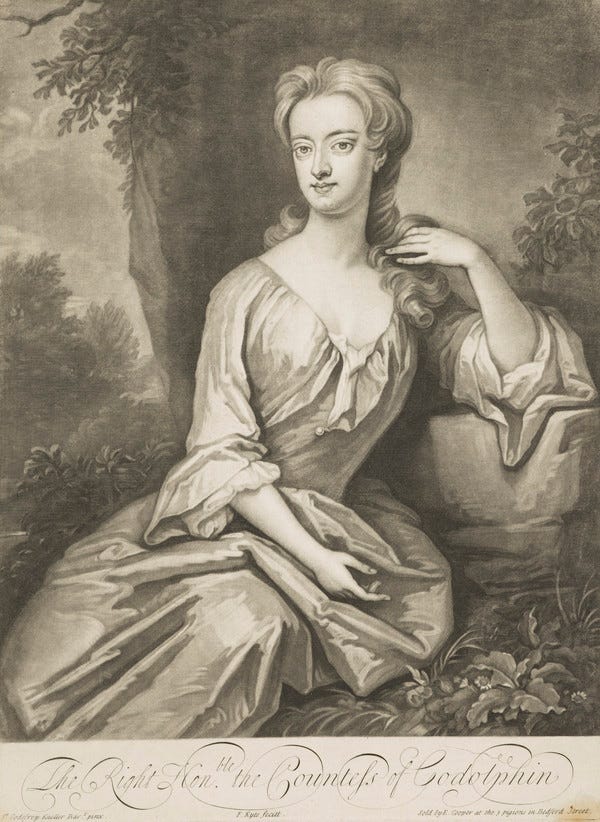
Writs of summons are a little different: they are the legal mechanism by which someone is called to sit in Parliament. To this day, after an election, all newly elected candidates are issued with writs and this, rather than their election per se, is legally what turns them into Members of Parliament (MPs). Writs are also required in order to sit in the House of Lords. So, everyone with a peerage title would be issued with a new writ of summons for every new Parliament. But what if the monarch issued a writ of summons to the House of Lords to someone who didn’t have a peerage title? Well, then they have effectively been made a peer by implication. (Always with the rank of baron.) This is how the original peers, and indeed the concept of being a peer, got created: by being repeatedly summoned to Parliament personally in a way that established the unique status of the men being summoned.
The problem with writs of summons is that they don’t specify a form of inheritance. But don’t worry: Common Law has established a form of inheritance over the centuries. This form of inheritance allows the title to pass to ‘heirs of the body lawfully begotten’, which sounds almost exactly like what letters patent usually say. But can you spot the difference? That’s right, all peerages created by writ of summons can pass to girls. The technical term is that they pass to ‘heirs-general’ rather than merely male heirs. So, peerages created by writs of summons are inherited following the same primogeniture system as other peerages but, if the male line dies out, can also be inherited through the female line.
Except there’s another complication. When we’re talking about sons, the title passes to the eldest, following standard primogeniture rules. But the system doesn’t care about the age of girls for some reason, so when there are two or more daughters, they have equal right to inherit; equal claim on the title. But the title can only be held by one person at a time. So… what happens? Abeyance happens: the title ceases to be held by anyone, it just disappears into the ether. If ever the other female line(s) die out, so only one remains that has a claim to the title, then the title stops being in abeyance and can now be claimed by that single remaining line.
This is confusing so I’ll use an example. A baron whose title was created by writ of summons has two daughters. When he dies, both inherit a 50% claim on the title, which enters abeyance. The older daughter has a son and a daughter, then dies. The son, because sons are preferred, inherits his mother’s 50% claim. Then, the second daughter dies without having any children. With the extinction of the other claimant, the first daughter’s son is now the only claimant left and therefore gets the title. Usually, abeyance is either sorted out within a generation, or else is never sorted out and the title de facto ceases to exist, but there are a couple of cases involving titles finally having a single claimant left after centuries in abeyance. Abeyance, it should be said, can’t happen to titles created by letters patent because, when they allow women to inherit, they do care about age.
Estates were inherited in a similar way to titles: by a single male heir following the rules of primogeniture. This is in contrast to most continental systems, which divided land between male heirs. This also meant that if someone had a title, the title and estate would be inherited together. What about younger sons and daughters? Well, they could still inherit liquid capital, stocks, and moveable goods, which they could use to set themselves up. (For daughters, this inheritance was often paid ‘in advance’, if you will, in the form of a dowry.) But, putting that aside, sons had to find a career (more on that later) and daughters had to find a husband.
But what if there were no sons? Well, daughters couldn’t inherit titles (usually) as we’ve covered, but they could inherit land in the absence of any brothers. In that case, the estate would be split between all daughters equally rather than going to a single heir.7 However, this could be a problem for a few reasons. First, the resultant, split estates might be too small to support the gentry lifestyle. Second, those estates and their wealth would pass out of the paternal family and into the family of the heiress(es)’s husband(s).
And what about a situation whereby a title holder has only daughters but there is another male line heir to the title? Maybe the title is set to be inherited by a distant male cousin who doesn’t have an estate of their own, meanwhile the estate is due to be split between the current title holder’s multiple daughters. In that case, not only do you have the above problems, but also the title and estate would cease to be jointly held and the new title holder might be left impoverished, which would be particularly embarrassing for the family.
To prevent this situation, families could create an entail: a legal mechanism that forced an estate to stay together and be inherited by a single male heir for three generations at a time. If there was a title, the entail would also ensure that the estate and title were inherited together. Entails are the secret antagonists of lots of stories involving noble inheritance, like Downton Abbey and Pride and Prejudice, because they cause distant male cousins (Matthew Crawley and Mr Collins respectively) to inherit estates rather than daughters who are therefore left with nothing. Of course, a very common solution was therefore to marry the male heir (a cousin, but hopefully quite a distant one) to one of those passed-over daughters. Entails also prevented those bound by them from splitting or selling off any part of the estate, or even doing things to reduce its value, such as logging. This could make entails annoyingly inflexible even for those who benefitted from them, which is why they were legally restricted to binding just three generations at a time, and were abolished in the 20th century.
The Granting of Titles
To inherit a title, a title must first exist. You might assume that all titles were already old by the early modern period: relics of the medieval era, still chugging along. However, as I’ve already alluded to, you’d be dead wrong. In fact, the monarch was handing out titles almost constantly — all by letters patent by the early modern period, so following the inheritance rules for letters patent I set out above. Great, you think, I’d like a title. But how could you secure one?
Well the first and most obvious way is to be born royal. As I mentioned in the history section, princes — and even illegitimate royal sons — are usually made dukes (at birth, upon coming of age, or upon marriage, depending on the era). Indeed, the majority of dukedoms are held by royal sons and their descendants. More minor royals might instead get a lesser title, usually an earldom.
Second, titles that had already existed and then went extinct were often recreated and granted to another branch of the family or someone else with a connection to the title. So, a title might go extinct but, to revive it, might be granted anew to a female line descendant or perhaps a brother-in-law. This was technically a new creation of a title, but was really just a way of keeping the old title going.
Third, titles were granted as an honour for service to the king and/or state. High ranking military officers were often granted titles, as were long-standing courtiers. It’s no accident that Britain’s two most successful generals of the early modern era both got made dukes: John Churchill, Duke of Marlborough and Arthur Wellesley, Duke of Wellington. That they were made dukes — a title usually reserved for royalty — show just how much the monarch and government wished to honour them.
Finally, titles were granted for political reasons. Afterall, one of the defining aspects of holding a peerage title — one I keep harping on about because it’s really important — was that it granted the holder a seat in the House of Lords. So, if the current House of Lords is hostile to the government, maybe you make a few more peers that agree with the government in order to get legislation passed. (The act of creating lots of new pro-government peers to force through legislation is called ‘flooding the Lords’. The Lords has never truly been flooded, but both the 1832 Great Reform Act and 1911 Parliament Act were passed under threat of it.) A politician might also be elevated to the Lords so that they no longer have to stand for reelection in the House of Commons — or if they had already failed to secure reelection. (Ministers must have a seat in either the Commons or Lords, so a peerage title was the only way a politician could become or stay a minister despite not holding a seat in the House of Commons.) Finally, a politician who wanted to retire from the Commons might be given a peerage title so that they could continue to lend their expertise and act as an elder statesman. Prime ministers who weren’t already peers were routinely given titles when they resigned/retired, for example.8
To sum up, if you want to become a peer in the early modern era my advice is to be born royal, have a connection to an extinct title, or enter the military, royal household, or politics. Good luck, I guess. Once you’ve invented your time machine, I assume these would be mere trivialities.
Addressing the Nobility
You might think that you would call the Earl of Warwick ‘the Earl of Warwick’. But no no no. His title might be Earl of Warwick, but when addressing an English peer they are always merely ‘lord’. So, Lord Warwick, not the Earl of Warwick. This is regardless of rank: from baron to duke, all are merely ‘lord’ followed by the name of their title. Other countries don’t do this, probably because it’s very confusing.
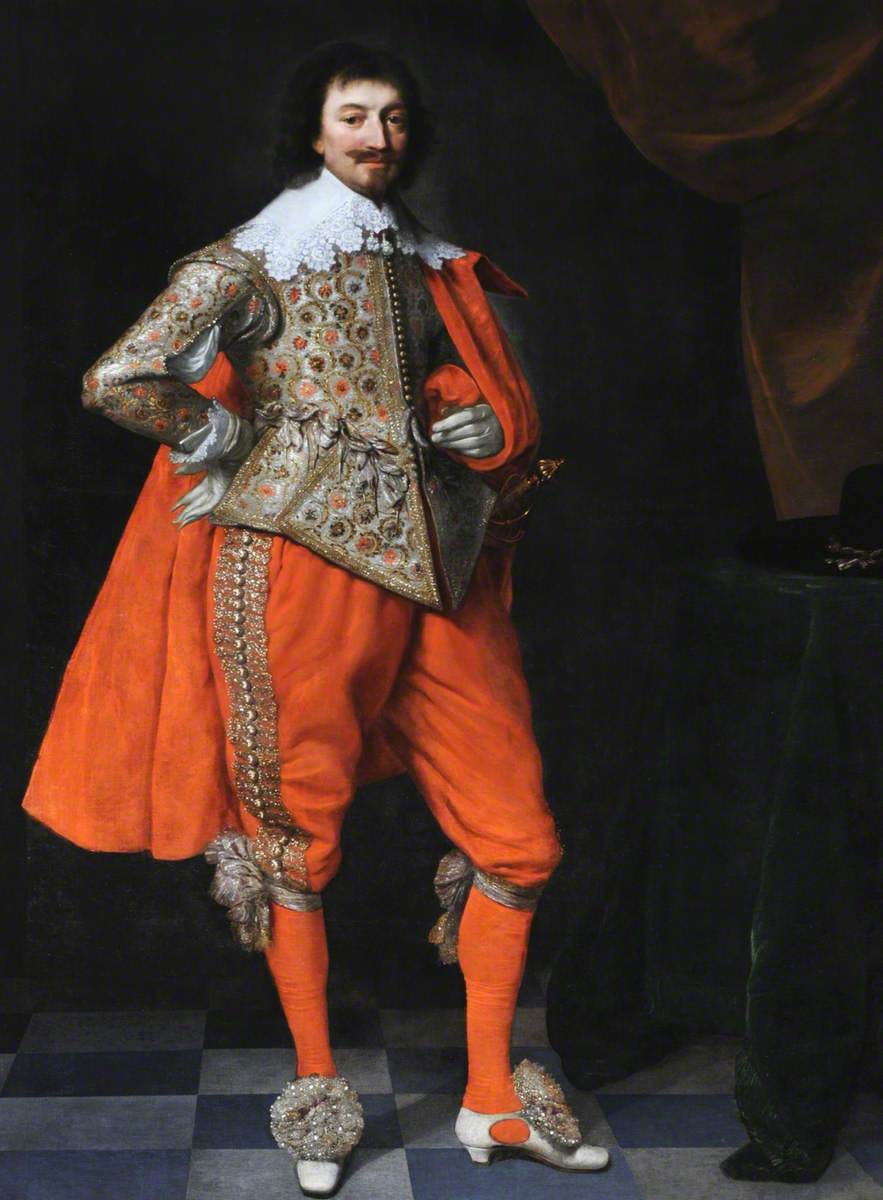
Here I’ll rely on pop-culture again. In Downtown Abbey, we meet the Earl of Grantham and the Marquess of Hexham. However, they are actually called Lord Grantham and Lord Hexham. The result, of course, is that you cannot actually work out someone’s rank merely from hearing them addressed: you just have to know them in advance. Our first confusion, but by no means our last.
(Baronets, which as I already said are not actual titles of nobility, are also not called lord. Instead, they are addressed like knights, as ‘sir’ — or ‘dame’ for women — followed by their first or full name. Note: it’s never Sir/Dame [last name]. To take the example of my favourite author: it’s Sir Terry Pratchett or Sir Terry, but never Sir Pratchett.)
Speaking of these titles, what are they actually named after? If the king wants to make you an earl, where do you become the earl of? Initially, when these were feudal arrangements, usually it referenced the actual name of the lands attached to the title, or a town nearby. As time went on, however, sometimes they referenced nothing more than a family name, or just some town or village the holder had some connection to. Today, some titles are named after counties, some after cities/towns/villages, and some, as mentioned, after families.
When talking to a peer, you might opt to use a style of address so you do not always have to use their full title. The proper address is ‘my lord/lady’ or, in the third person, ‘his/her lordship/ladyship’. Dukes and duchesses, however, get to be special are instead styled as ‘Your Grace’. (His/Her Grace, in third person.) Princes and princesses, even when they also hold actual peerage titles, are always ‘Your Royal Highness’. (His/Her Royal Highness, shortened to HRH in written form.) And, though it’s somewhat beyond the scope of this article, the monarch is ‘Your Majesty’. (‘His/Her Majesty’, shortened to HM.)
Courtesy Titles
It’s not, however, merely the actual nobility who get to be address as though they’re nobility. That, of course, would be far too straight forwards. Instead, the spouses and children of peers are also often able to make use of what look like noble titles but are instead just titles of social convention. These are called ‘courtesy titles’.
First and most obviously, the wife of a male noble gets to use the female equivalent of her husband’s title, despite not being a peer/noble herself. So, the wife of the Duke of St Albans is the Duchess of St Albans. Along with that comes all the same styles of address and other honorifics. The same courtesy title is not extended to the husbands of female nobles, (which, as we’ve already discussed, are historically rare but not impossible) nor the spouses of peers in same-sex relationships.9
If such a wife outlives her husband, she can still continue to use all of his titles and styles of address, becoming what is called a ‘dowager’. Lets once more grasp at pop-culture: in Bridgerton, the holder of the Bridgerton family’s title is the eldest brother, Anthony, Viscount Bridgerton. (A title named after their family name.) His widowed mother is the Dowager Viscountess Bridgerton. She is still called Lady Bridgerton, with all the same styles of address. In Downton Abbey, Lord Grantham’s mother has the same status. Of course, this can be confusing when there is both a dowager and wife of the title’s current holder, both of whom are therefore addressed with the same courtesy title. The term ‘dowager’ reflects the tradition of a ‘dower’ — an amount of property, fixed under Magna Carta at 1/3 of a man’s total lands — that would be left to his widow upon his death and only inherited by his heir(s) upon the widow’s own death. By the early modern period, formal dowers were no longer a thing, but widows did still often hold land in their own right.10 (Dowers and dowries are related but distinct concepts, it should also be noted.)
Courtesy titles are also extended to the children of peers, but here it gets much more complicated.
The sons of dukes and marquesses are styled as ‘lord’ followed by their name. The daughters of dukes, marquesses, and earls, are styled as ‘lady’ followed by their name. In Downton Abbey, the Earl of Grantham’s three daughters are Lady Mary Crawley, Lady Edith Crawley, and Lady Sybille Crawley. If he had a son, however, that son would be merely Mr Crawley. If he were instead a marquess or duke, his son would be Lord [firstname] Crawley. (Except, as I’m about to explain, his oldest son probably would get a special courtesy title. I’m getting to it.) The children of barons and viscounts are merely mr and miss. (Such as the Bridgerton siblings, whose father was a viscount.) These courtesy titles can be shortened to ‘lord/lady [firstname]’ but never ‘lord/lady [lastname]’, as that might be mistaken for an actual title. Let’s imagine that the Bridgerton title, which is the same as their family name, was marquess. Then the second son would be Lord Benedict Bridgerton: if you were to shorten that to Lord Bridgerton rather than Lord Benedict, it would be indistinguishable from his older brother’s actual peerage title.
Courtesy titles of this kind can also be used by the wives of men with the right to use them. In the above hypothetical, Lord Benedict Bridgerton’s wife would be Lady Benedict Bridgerton. (Not her own name; shortened to Lady Benedict.)
(And hey, look: now you understand why Mr Darcy’s aunt — the daughter of an earl — is called Lady Catherine de Burgh. It’s a courtesy title she can use because she’s an earl’s daughter. Told you we’d get to it.)
The husbands of those with these courtesy titles do not get to use any equivalent, though their wives can keep using them after marriage. Back to Downton Abbey: when Lady Mary Crawley marries Mr Mathew Crawley, she remains Lady Mary Crawley. When she marries Mr Henry Talbot, she becomes Lady Mary Talbot, changing her name but keeping her courtesy title. Lady Sybille Crawley similarly becomes Lady Sybille Branson. Their husbands remain merely ‘mr’. Their sister, as she marries the Marquess of Hexham, instead uses the higher courtesy title of Lady Hexham.
But there’s an even more complicated case where courtesy titles get used: the eldest sons (and thereby heirs) of dukes, marquesses, and earls. These guys get to use one of their father’s lower ranked titles as a courtesy title for themselves. This works because most peers have multiple titles of different ranks. So, you might be a marquess, but simultaneously be an earl and a baron. The Duke of Wellington, for example, was also the Marquess of Wellington, Marquess Douro, Earl of Wellington, Viscount Wellington, and Baron Douro. (This is as good a time as any to also mention that whether titles include an ‘of’ is largely arbitrary. If they’re named after a family name then they never do; otherwise they usually do but don’t always.)
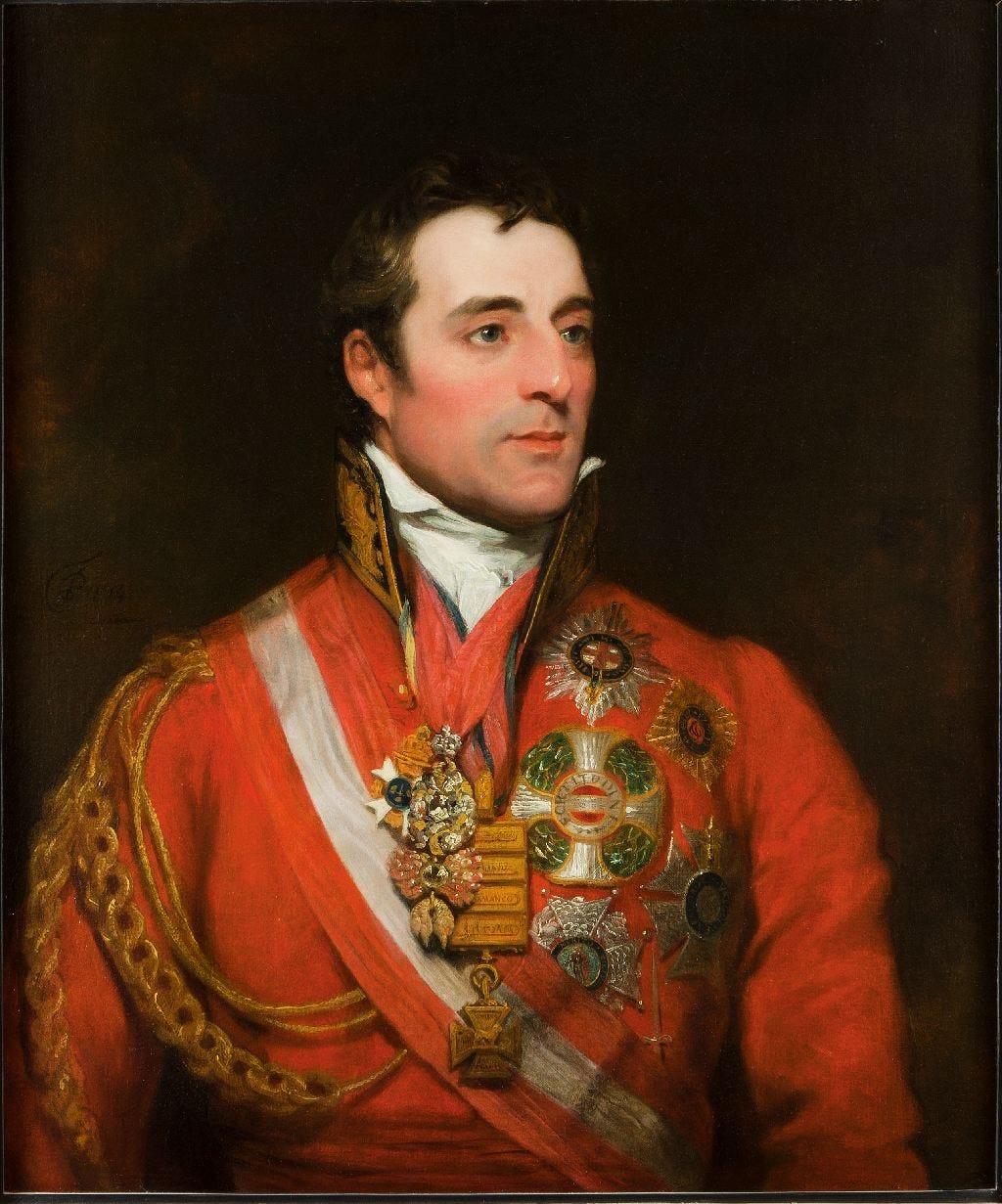
So, the Duke of Wellington’s eldest son used Marquess Douro as a courtesy title before his father died, and was therefore called Lord Duoro. (Using Marquess of Wellington would’ve been overly confusing, as then they both would have been called Lord Wellington.) The son uses this title but does not actually possess the title and, to try to avoid some confusion, is referred to without the definitive article. (So, in this example, as Marquess Douro rather than the Marquess Douro.) When the father holds multiple lower ranked titles, as the Duke of Wellington did (and indeed still does — the title and family are still extant), then the son basically gets to pick which one to use. They’ll usually use the highest ranked one while avoiding one with the same name as their father’s title (as in my example), though with old families there is often a traditional title always used as the heir’s courtesy title.
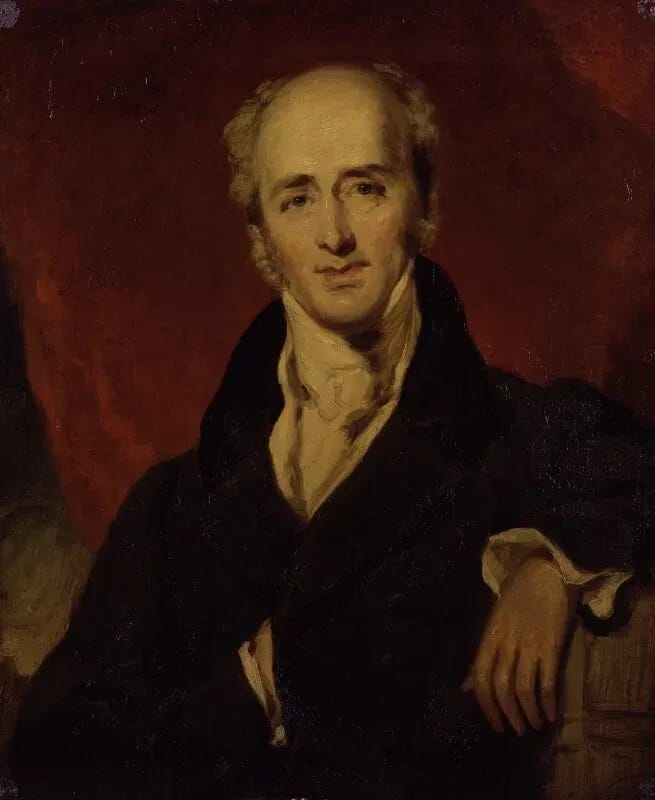
All of this, of course, means that how such people are addressed often changes multiple times over their life. To take an example: Earl Grey, the great British Prime Minister. (Abolisher of slavery, extender of the electorate, scourge of corrupt constituencies, namesake of decent tea.) At birth, he was merely Mr Charles Grey. In 1801, his father was made Baron Grey, but that didn’t give the son any kind of courtesy title. In 1806, however, his father was also made Earl Grey and Viscount Howick. Charles, as eldest son, therefore got to use Viscount Howick as a courtesy title. A year later, his father died and he inherited as the 2nd Earl Grey. So, from Mr Grey to Lord Howick (courtesy title) to Lord Grey (substantive title) in just two years. (Funnily enough, this was actually of some annoyance to Grey himself. He had wanted to stay in the House of Commons, but his father accepting a peerage and then dying booted him out of the Commons and into the House of Lords, where he stayed until his death in 1845.)
And, like always, the wives of these eldest sons of earls, marquesses, and dukes get to use the female version and style as their own courtesy title.
What did the Aristocracy Do?
As mentioned before, one of the defining aspects of the upper-class — gentry, nobility, whatever — was that they did not work, or at least did not have to. They owned landed estates and made money from rent: from tenant farmers who would rent a tenancy, which included a house and some land.
When it came to those only marginally hanging on to their gentry status, however, they might have to supplement rental income by actually farming some of their land themselves. Taking the land ‘in hand’, they would hire people to work the land and then directly sell the results, which was generally more profitable than merely skimming rent off the top of someone else’s farming operation. Other ways to make money included selling logging, mining, and quarrying rights. They might also manage an investment portfolio. The point is that they’re making money off their land and existing wealth rather than from wage-work, which was generally seen as demeaning.
However, as we’ve already discussed, younger sons inherited no land. They might, in richer families, inherit enough capital to be able to purchase an estate or live off dividends from investments. (Or their brother’s charity.) But, for less wealthy families, that just wasn’t possible. There was no getting around it: some of these guys had to work.
So, a few professions were singled out as acceptable for those of upper-class status. In particular, professions that provided a service to the king or God: the military, clergy, the legal professions, and careers connected to the government and politics. (Working in a government ministry or as a diplomat, for example.)
First, briefly, the military, which can be separated into the army and navy. Now, in some other countries, there were formal rules blocking commoners from attaining high military rank. However as we’ve already covered, most of the upper-class were commoners in England, in that they didn’t hold peerage titles. Luckily, other methods existed to keep the officer corps a mostly gentleman-only affair.
The army, for example, practiced a system of ‘purchased commissions’. If you wanted to be a commissioned officer, you had to literally buy the commission off the last guy who held it. This meant that, to become an officer and rise up the ranks, you had to spend money that most people just didn’t have. In contrast, if you were rich and determined, you could rise up the ranks very quickly indeed. The Duke of Wellington, for example, though he was undoubtable a capable officer, provides a great example of this system: he was able to rise from captain to lieutenant-colonel in just a few months in 1793 merely by buying higher commissions.
The navy didn’t use purchased commissions, but instead another system to keep it all an old boys’ club. An aspiring officer had to begin as a midshipman, you see, which wasn’t a commissioned rank. Instead, who a captain took on as a midshipman was largely at his own discretion, so of course he took on mostly the sons of his friends. Only after at least six-years at sea as a midshipman was an aspiring officer allowed to take the lieutenant’s exam, which was an interview before a group of captains, the outcome of which was entirely at their discretion. If a candidate passed the exam, they were a lieutenant, but still had to hope there was a ship they could serve on. It helped, of course, if you had connections who could recommend you for any post that opened up.
This was a consistent problem for naval officers: there were always fewer ships than officers hoping to serve on them, and who got assigned — the only way to earn your captaincy — was at the discretion of men who tended to care more about doing favours for their friends and political allies than actually promoting the most competent men. Once a lieutenant was promoted to captain, there was only one higher rank: admiral. There were always nine admirals (the admiral, vice-admiral, and rear-admiral of the three colour squadrons: red, white, and blue) and, when a post opened up, it always went to whoever had been serving as a captain the longest. (i.e. by strict seniority.) Becoming an admiral was a surefire way to ensure your fortune, as admirals got a share of the prize money (reward money for captured enemy ships) from any ship under their authority, so every officer wanted to become a captain as fast as possible, to begin their slow rise by seniority through the captains list. Jane Austen’s two youngest brothers were both naval officers. Frank was made a captain at the age of 26, an admiral at 56, and afterwards had many long and profitable years at that rank. Charles, who lacked a patron with as much pull as Frank’s, was made a captain when he was 31 and it took until he was 67 for him to slowly rise up the captains list, giving him only six-years as an admiral before he died.
Moving on, the Anglican Church practiced a strange and interesting system at the time. Most parish churches had been built by local landlords who reserved the right to pick the local priest. That local priest (either a rector or vicar) got access to a house and small amount of land set aside for them, called a ‘living’, and collected tithes from their parishioners. (Rectors got all the tithes, whereas vicars only got certain tithes, with the rest going to the landlord who controlled the living.) Between farming on their living and collecting their tithes, they could generally eke out a lifestyle that just about kept them respectable to their gentry peers. Priests could even be appointed to multiple livings to bolster their fortunes, at which point they would hire a curate to minister their other parishes for them. Jane Austen wrote about this relationship between priest and landlord a lot. It’s why Mr Collins is so obsessed with Lady Catherine’s favour and why it was in Mr Darcy’s power to deny Mr Wickham the appointment as a parish priest he feels he was owed. And speaking of Austen’s family, her father and two of her other brothers (Charles and Henry) were all clergymen. Another of her brothers, Edward, was adopted as heir by their wealthy relations the Knights and, after he inherited, Edward was left as the controller of a number of livings. (Including the one his father had originally held, where the Austen siblings had grown up, which he rebuilt in order to grant to one of his younger sons.)
In the legal professions, the ultimate aim was usually to become some form of judge. However, you couldn’t go straight from university into the judiciary. Usually, therefore, gentlemen with legal degrees first became barristers and worked their way up. Here, I have to explain an oddity of the British legal system: the distinction between barristers and solicitors. Barristers — those called ‘to the bar’ — are trial lawyers who are hired to appear in court for a specific case. That’s basically their whole job: to appear in court and argue cases. Solicitors, on the other hand, do the vast majority of legal work: managing clients, drawing up and reviewing contracts, all that stuff. Solicitors cannot appear at court, so hire a barrister to do that for them. (This has been relaxed in recent years, but is still broadly how it works.) Barristers traditionally had a higher social status and all belong to one of the four Inns of Court in London: these combination guilds and social clubs, namely Inner Temple, Middle Temple, Lincoln’s Inn, and Gray’s Inn. Also, to become a judge, you have to have been a barrister, not a solicitor. Gentlemen would more commonly be barristers and then judges, whereas solicitors were more likely to be middle-class.
As for the government, there were a whole host of careers a gentleman could take up. One that wouldn’t pay was getting themselves a seat in the House of Commons, because MPs didn’t earn any salary. (In fact, giving MPs a salary so working-class people could afford to stand for election was one of the demands of the radical Chartist movement, most active in the 1840s.) However, a gentleman might instead angle for an appointment as a ministerial secretary or in the diplomatic service. Diplomatic representatives in particular, because they had to treat with foreign royalty and ingratiate themselves with another country’s noble class, were usually drawn from aristocratic families. To send a social inferior would be an insult to that foreign government.
Let’s put aside the question of those who had to work, however, and ask this: what did that true aristocracy, the richest of the rich, do with their time? They could, of course, enter one of these professions. If they did, it wasn’t for the money, but instead on the understanding that they could soon rise to be generals, bishops, judges, or ministers. Otherwise, when not managing their estates, the upper class spent much of their time at their leisure: going over to each others houses and, especially, hunting and shooting.
An aristocratic family’s year was split in two. Half the year, roughly speaking, was spent in London during what is called the ‘social season’. (Originally this began in October or November and ran until May or June, but in the late-19th and 20th centuries moved to begin in January or February or even later and run until July or August.) Here, they would go to balls and the theatre and rub shoulders with families from all over the country, making connections and, in particular, planning marriages. This London social season coincided very deliberately with when Parliament was open for business. After all, the House of Lords was literally composed of all those with peerage titles, while the House of Commons was largely made up of the gentry and aristocracy until the 20th century. So most of these families had to be in London anyway, and decided they may as well make a party out of it.
The rest of the year, which in particular corresponded to various hunting and shooting seasons, was instead spent on their estates. These were also the warmer months, especially under the original 17th-18th century calendar, which meant they could avoid the awful stink of a London summer while spending the colder months in their smaller London townhouses, which were cheaper to heat than their grand country houses.
It was also during the London social season that unmarried aristocratic girls who were ‘out’ in society had to follow a particularly prescriptive set of behavioural rules. (Being ‘out’ meant that they could participate in society and, in particular, were entertaining offers of marriage. For high aristocrats, girls often came ‘out’ by being presented to the monarch.) There were only very few places they were allowed to go, always chaperoned, and never alone with men. This is in contrast to the much laxer rules of behaviour outside the social season and outside of London. (Austen, for example, constantly writes her unmarried men and women as being alone together without any suggestion of scandal, because in the countryside those rules didn’t apply as strictly.)
I should additionally make clear that the London social season was mostly for the true aristocrats, rather than obscure country gentry. Those lesser gentry would instead stay on their estates all year round — besides anything else, they probably couldn’t afford the expense of a London townhouse — and only intermittently visit London for a few days at a time. We see this in Pride and Prejudice, where Darcy and the Bingleys relocate to London for the season while the Bennets stay in Hertfordshire, only a few of them occasionally venturing ‘into town’. (As London was often called, at the time.)
Well That was Rather a Lot
So that’s the English aristocracy of the early modern era, particularly during the two-century period from the mid-17th to mid-19th century. Of course, even within this period things could change dramatically and I would suggest you use this information more as a jumping off point for further individual research and reading rather than as an exhaustive guide.
Throughout, you may have noticed the central role of Parliament in all this. There’s a reason for that: when aristocrats weren’t doing all this other stuff, they were mostly off governing the country. They were not just social or economic elites, they were political elites at their very core.
Understanding Parliament and the government broadly is essential to understanding the aristocracy of this period. However, that’s a huge topic and I have no intention of growing this behemoth even further. Disappointed? Good! Because I fully intent to grapple with those topics — how early modern Britain was governed, the development of its politics, and the role of Parliament — in a dedicated article. So, if you’re interested, subscribe to ensure you won’t miss it.
Thank you for reading. It was nice to finally have an outlet for all this useless knowledge. If you found this useful, or even if you didn’t, feel more than welcome to like, share your thoughts, and subscribe for more tangentially related to this sort of thing.
My next short story will be released in two weeks and should be The Assassination of Malik Fakhr XII, about a regicidal conspiracy and inspired by the conflicts between the Janissary corps and Ottoman sultans, in particular the 1807 coup against Selim III. For my next non-fiction, released two weeks after that, I’ll be using the end of the year as an excuse to talk about one of my niche abiding fascinations: the French Republican Calendar. It’ll be fun, I swear.
Though this was always hard to regulate, and early modern France and Germany were full of people claiming the legal status of nobility illegitimately.
You know how you can only be tried by a ‘jury of your peers’? Well, the peers of those with peerage titles are, you know, other people with peerage titles. (The peers of peers are peers, if you will.) In other words, you get to be tried by a jury drawn from a few hundred other aristocrats you probably know personally. This right was only revoked in the mid-20th century, as by that point it had become an annoyance for all involved.
Yes, titles have been granted to women. Before Henry VIII, this happened once: Margaret of Norfolk inherited her fathers estates and title as Countess of Norfolk, and was thereafter granted the title Duchess of Norfolk for life. Henry VIII granted two titles to women. One was Margaret Pole, one of the few Plantagenets left after the Wars of the Roses. She was given the title and lands of her father and brother as a form of reconciliation, though was herself later executed for treason. (She was a widow, so the title couldn’t have been given to a husband.) The other was Anne Boleyn, who was made Marquess of Pembroke a year before Henry’s annulment to Catherine of Aragon. Starting under the Stuarts, an increasing number of women were granted titles in their own right, in particular royal mistresses, the daughters of nobles whose male line had gone extinct, or to wives of men who couldn’t be given or didn’t want titles. (e.g. politicians who wanted to stay in the House of Commons.) Women, however, could not attend the House of Lords, whether they were granted their title or inherited it. (In other words, they never received writs of summons.)
The Dukedom of Cornwall is special. Like Prince of Wales, it’s a title always given to the heir to the throne. But the Duchy of Cornwall also the legal entity that holds the Prince of Wales’ wealth and investments. The Duchy of Lancaster is the exact same thing but for the king himself, dating back to when the Lancastrian branch of the Plantagenet House inherited the throne. You can probably work out that this is because of how Edward III originally created both these titles for his sons and gave them palatine powers, which is what makes them so special.
Duke of Rothesay is another title given to the heir to the throne, this one coming from the Scottish tradition.
An example: soon after the famous general John Churchill was made Duke of Marlborough for his actions in the War of the Spanish Succession, his only son died. So, a law was passed allowing his title to pass first to his daughters and then to their male descendants. Upon his death, the title passed to his eldest daughter Henrietta and then, when she died without any living sons, to the son of Churchill’s second daughter, Anne. This created the Spencer-Churchill family of whom both Winston Churchill and Princess Dianna (née Dianna Spencer) were scions.
You might have noticed that this is curiously similar to peerages created by writs of summons and how they equally split claim to the title. That’s because both have their origins in the same medieval inheritance laws.
A tradition that only stopped with John Major who, when he resigned in 1997, accepted a knighthood rather than a peerage. The tradition had been to accept an earldom, though his predecessor, Margaret Thatcher, had accepted merely a barony instead. Tony Blair also took a knighthood but, since Gordon Brown, the tradition of giving ex-PMs some special honour has ended.
The most confusing cases, at least to me, are when a husband and wife both have titles in their own right. For example, the 2nd Duchess of Marlborough (daughter of John Churchill, who I’ve already mentioned) was married to the 2nd Earl of Godolphin. She was also known as Lady Godolphin, as his wife, but was nonetheless more properly called Lady Marlborough, because it’s a higher title. He, on the other hand, was not called Lord Marlborough because that courtesy doesn’t get extended to husbands.
This is a topic that goes far beyond this article, but England was also different in this regard. Under English law, married couples were a single legal person represented by the husband, which meant de facto that all wealth held by the wife would be controlled by the husband. (This is why dowries, though technically brought to the marriage by the wife, were the effective property of the husband.) However, unmarried and widowed women did have their own legal personage and could therefore own property. This was distinct from the system in much of the continent, which always considered women to be legally represented by their closest male relation. The system began to change in England when civil divorce was legalised in the mid-19th century, which allowed a husband and wife to be treated as separate legal persons for the purpose of divorce proceedings. From there, it was expanded until women retained their legal personage after marriage by the end of the 19th century. We place a lot of well deserved emphasis on the campaign for women to get the vote in the early-20th century, but frankly nowhere near enough on the perhaps even more important campaign to divorce and own property in the mid-to-late-19th century.
My brain exploded partway through the section about addressing nobility. Fascinating stuff, though.
"If you wanted to be a commissioned officer, you had to literally buy the commission off the last guy who held it."
To be picky: You literally bought it from the army, and sold it back when you resigned. If you were dishonourably discharged, they took it back without compensation. So practically, you were not so much buying a rank as issuing a bond for good behaviour.
IIRC from The Wooden World, the thing about the navy's patronage system was that recommending someone for promotion tied you together - if your recommendee did well, your star would rise, along with that of those you recommended or who recommended you. But if he did badly, then you all suffered together. So there was a lot to be said for acting as a talent scout, but it was best not to tie yourself to anyone who might do badly.